20 October 2026
What to Expect During a Desert Pullout Recovery in Dubai
Presented by @mycarrecoverydubaidesertedge
Driving in the desert around Dubai is a different kind of experience. The dunes look smooth, the sand seems firm, and the open space feels inviting. But anyone who has spent time off-road here knows that the ground can change in an instant. One minute you are cruising, the next you are stuck up to the axle in soft sand. That is when you need a desert pullout, and it helps to understand what actually happens when you call for help.
I have been involved in vehicle recovery in the UAE for over a decade, and I have seen every kind of desert situation. From a tourist in a rented SUV who went too deep into the dunes near Al Qudra to a contractor in a heavy truck who took a wrong turn on a construction site. The common thread is that getting unstuck is rarely as simple as just pulling straight back. There is a method to it, and knowing that method can save you time, money, and frustration.
Why a Standard Tow Truck Won't Work
Most people assume that any tow truck can handle a desert recovery. That is not true. A standard flatbed or wheel-lift truck is built for paved roads. Its weight, its tires, and its winch capacity are designed for asphalt, not for soft sand. If you send a regular tow truck into the dunes, it will likely get stuck itself. That is why a proper carrecoverydubai Desert pullout uses equipment built specifically for sand. The trucks have wider tires, lower tyre pressure options, and often a rear-mounted winch with a long cable that can reach a stuck vehicle without the recovery truck having to drive right up to it.
I remember a call near Al Aweer where a driver had buried his Ford F-150 up to the chassis. The first recovery company sent a standard tow truck. It got stuck fifty meters away. They had to call a second truck to pull the first one out before they could even start on the Ford. That is a wasted hour and double the cost. A specialist desert recovery unit would have driven straight onto the hard-packed area, walked the winch cable over, and had the truck free in twenty minutes.
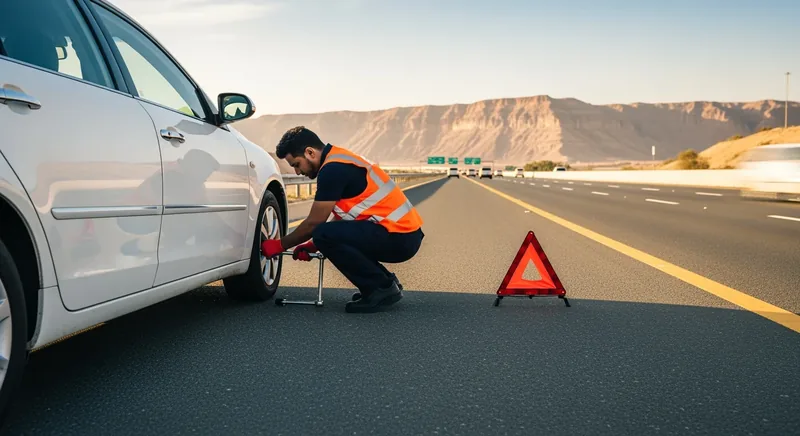
How the Recovery Actually Works
When you call for a desert pullout, the operator will first ask for your exact location. In the desert, GPS coordinates matter. Street names do not exist. If you are using a phone app, share the coordinates and describe any landmarks you can see. A dune shape, a power line, a particular wadi. Next, the recovery team will assess the situation from a distance. They look at the angle of your vehicle, the type of sand, and how deep it is stuck. They also check for any damage already done, like a broken axle or a punctured tire.
Then they decide on the approach. Sometimes a straight pull works. More often, they need to dig out the sand from around the tires and place sandboards or recovery tracks under the wheels. This gives the tires something solid to grip. The winch cable is attached to a rated recovery point on your vehicle. That is usually a tow hitch or a frame-mounted loop. Never attach a recovery strap to a plastic bumper or a suspension component. I have seen bumpers ripped clean off because someone hooked onto the wrong point.
Once the cable is connected, the winch operator takes up the slack slowly. The driver of the stuck vehicle may be asked to steer gently and apply a little power at the right moment. Timing matters. If the driver spins the tires too early, they just dig deeper. The winch operator and the driver communicate by hand signals or radio. It is a coordinated effort, not just brute force.
Common Mistakes People Make
One of the biggest errors is trying to self-recover with a rope or a tow strap attached to another vehicle that is also on sand. That often ends with both vehicles stuck. Another mistake is deflating tires too much. Lowering tire pressure gives you better traction on sand, true. But go too low and the tire can come off the rim, especially during a sharp turn or a hard pull. A good rule is to drop to about 15 psi for sand driving, but for recovery you want the pressure set by the recovery team based on the specific conditions.
I also see people who refuse to let the recovery team dig around the tires. They want a quick yank. But digging out the sand first reduces the resistance and prevents damage to the vehicle's suspension. A patient recovery is a clean recovery. The phrase "carrecoverydubai Desert pullout" has become shorthand in the local off-road community for a job done right, meaning the team takes the time to do it safely rather than rushing.
When to Call a Professional
If you are stuck in soft sand more than a few meters from a paved road, call a professional. Do not wait until the tide of daylight is gone. Desert temperatures drop fast after sunset, and a simple recovery can become a safety issue if you are out there in the dark with no water and no phone signal. The cost of a desert pullout is usually based on the distance the recovery truck has to travel and the complexity of the extraction. It is almost always cheaper than the cost of a major repair from a DIY recovery gone wrong.
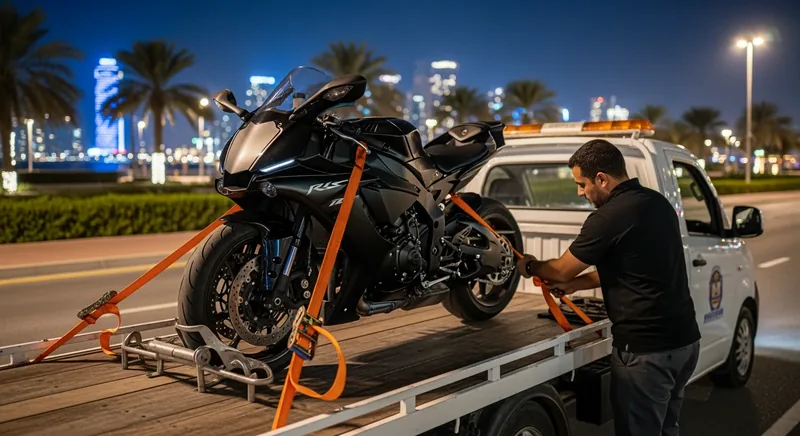
Car Recovery Dubai has been handling these jobs for years, and their team knows the difference between a simple sand trap and a vehicle that has slid into a dune at speed. They bring the right gear, including long winch cables, sand anchors, and sometimes a second truck for heavy vehicles. You do not need to be an off-road expert to get out of a sticky situation. You just need to know who to call.
What to Carry in Your Vehicle
Even with a reliable recovery service, being prepared makes a difference. Here are a few items that help if you ever find yourself waiting for a desert pullout:
- A fully charged power bank and a phone cable. GPS signal is your best friend.
- A basic recovery strap rated for your vehicle's weight. Not for self-recovery, but to help a passing 4x4 if they offer assistance.
- A tire pressure gauge and a small air compressor. Adjusting pressure can sometimes get you moving again.
- Water and a light jacket. Even in winter, the desert can be cold after dark.
- A folding shovel. Digging around tires speeds up the recovery and reduces strain on the vehicle.
None of these replace a professional recovery, but they make the wait safer and more comfortable.
Sand Driving Techniques That Reduce Risk
Prevention is better than recovery. If you drive in the desert regularly, learn a few basic techniques. Keep your momentum up on soft sand. Stop only on firm ground. When you feel the vehicle starting to bog down, steer gently side to side to find a harder line. Do not slam on the brakes. Do not floor the accelerator. A smooth, steady speed keeps you on top of the sand. And never follow another vehicle's tracks blindly. Their tire pressure and weight might be completely different from yours. What worked for them might sink you.
I have been on recoveries where the driver drove straight into a patch of "sugar sand" that looked exactly like the packed sand they had been on a minute earlier. Sugar sand is fine, dry, and deep. It swallows vehicles. The only way to cross it is at speed with tires deflated. If you see a stretch of sand that looks unusually light in color, treat it with caution.

The Bottom Line
A desert pullout is a straightforward process when handled by people who understand sand. It is not about pulling harder. It is about pulling smarter. The team from Car Recovery Dubai has done enough of these jobs to know that every stuck vehicle tells a story. Sometimes it is a simple case of inexperience. Sometimes it is bad luck. Either way, the recovery is the same: careful assessment, proper equipment, and clear communication.
If you ever find yourself in that situation, stay calm. Call a specialist. Do not let well-meaning friends with a tow strap turn a minor inconvenience into a major repair. The term "carrecoverydubai Desert pullout" is known among off-road enthusiasts for a reason. It means you are in experienced hands. And in the desert, that is worth more than any piece of gear you can carry.